
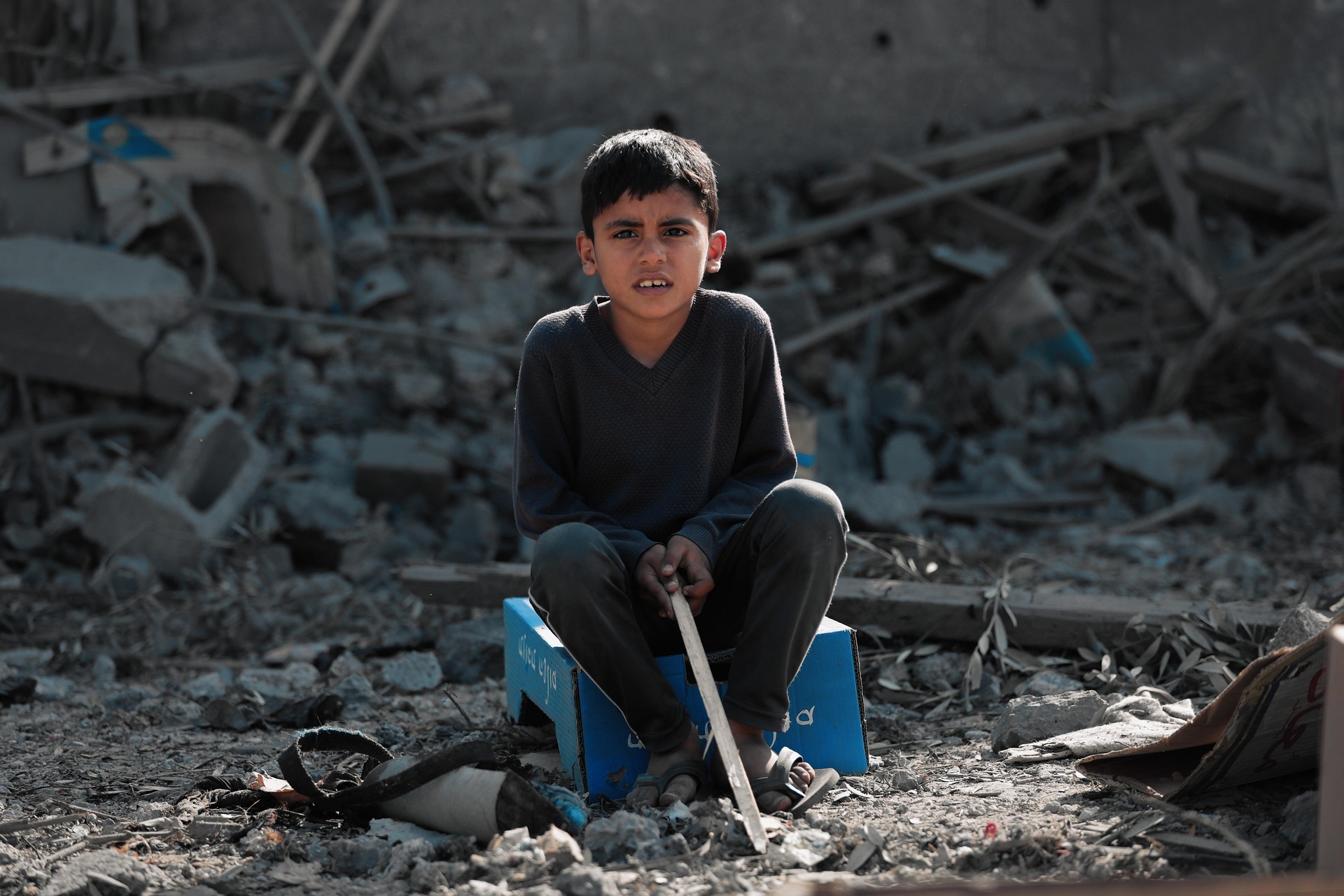
What is your role in helping children affected by war?
FA: I am a nurse and have worked closely with children who have experienced severe trauma caused by war and conflict, particularly during the Gaza war in 2023.
In emergency and acute care settings, I provided direct medical care to children who had been injured, displaced, or separated from their families. These children often had a combination of physical and psychological needs. Many had sustained injuries from airstrikes or collapsing buildings, while others suffered from extreme fear, anxiety, grief, and shock after losing family members or witnessing traumatic events.
They needed immediate medical treatment, emotional reassurance, a sense of safety, and clear communication from healthcare professionals. My role involved not only treating their physical injuries but also providing comfort, reassurance, and emotional support during some of the most difficult moments of their lives.
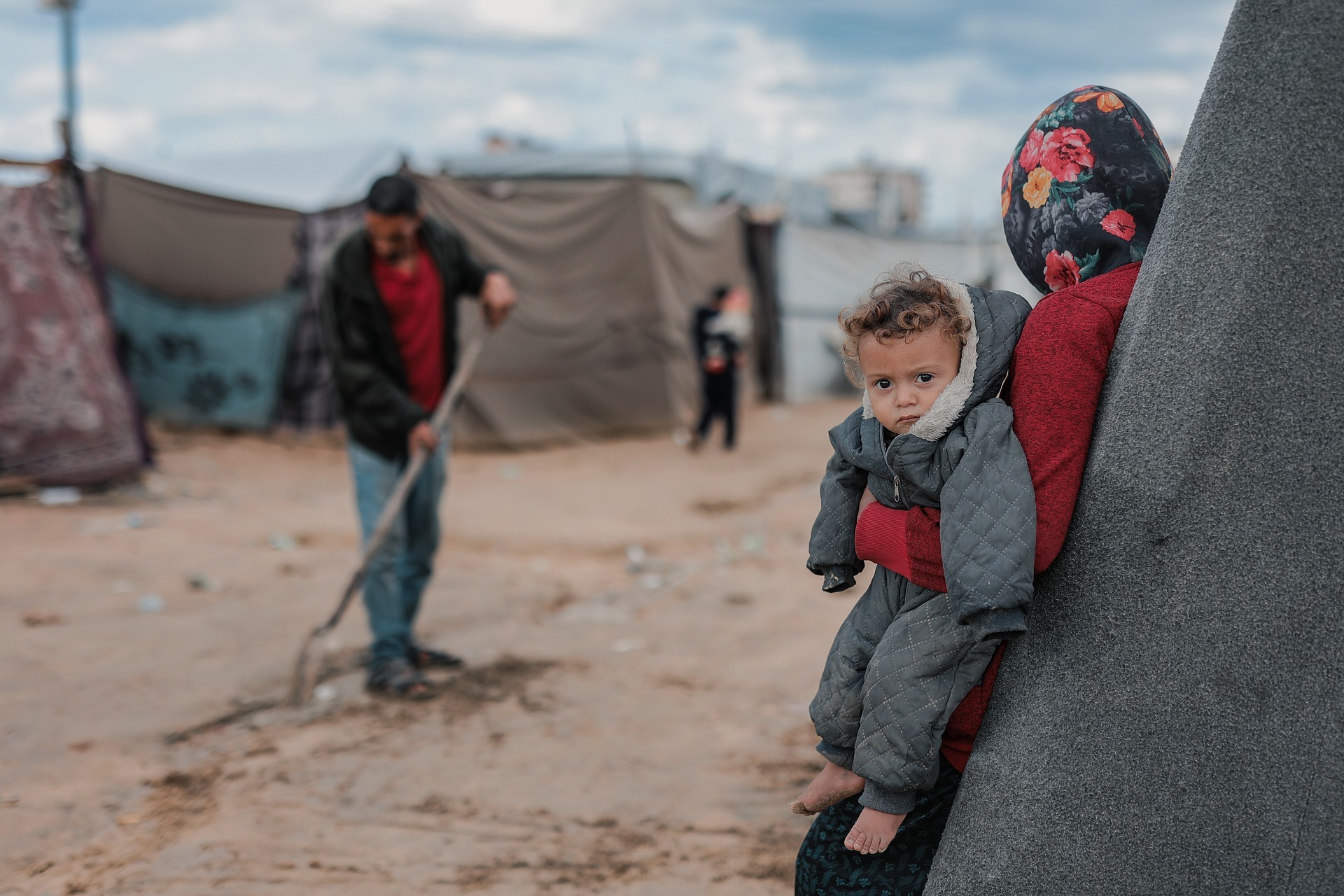
How will you use our TRT training to help these children?
FA: I will use the knowledge and skills gained from the recent training to provide more effective trauma-informed care for children who have experienced war, displacement or other catastrophic events. The training has strengthened my understanding of how trauma affects children’s emotions, behaviour, and recovery.
Currently living in Ireland, I may encounter children who have arrived from conflict areas and are receiving medical care. As an Arabic-speaking nurse, I can help bridge communication gaps between children, families and healthcare teams. I will use my training to identify signs of trauma, provide emotional support, advocate for children’s needs and help healthcare professionals to better understand the cultural and personal circumstances affecting these children.
My goal is to contribute to a safe, supportive environment that promotes both physical and psychological recovery.
Can you tell us the story of one child who you were able to help?
FA: Working in a hospital’s emergency department during the Gaza war, I cared for many children who had been traumatised by airstrikes and the loss of family members.
One case that remains vivid in my memory was a young child who arrived after an airstrike on his neighbourhood. He was frightened, crying continuously and calling for his family. He appeared overwhelmed by fear and confusion.
When I first met him, his immediate needs were both medical and emotional. He needed treatment for his injuries, but he also needed reassurance, safety and someone to explain what was happening. I introduced myself, explained my role and calmly described each step of the treatment process. I stayed with him as much as possible, spoke to him in a gentle manner and reassured him that he was safe and that we were there to help him.
Gradually, he became calmer and more cooperative with treatment. Seeing him regain a sense of trust and security was very rewarding. Experiences like this remind me that nursing is not only about physical care but also about supporting emotional recovery during times of crisis.
Helping children through such traumatic experiences gives me a strong sense of purpose and achievement. Every time I saw a child become calmer and feel safe again, I felt that I had made a meaningful difference in their life.

