
By Faress Arafat, hospital nurse
Palestinian nurse Faress Arafat attended our TRT training in May, after working as a volunteer in Al-Shifa Hospital in Gaza. He has sent us this this first-hand account of the experiences of children who he met there.
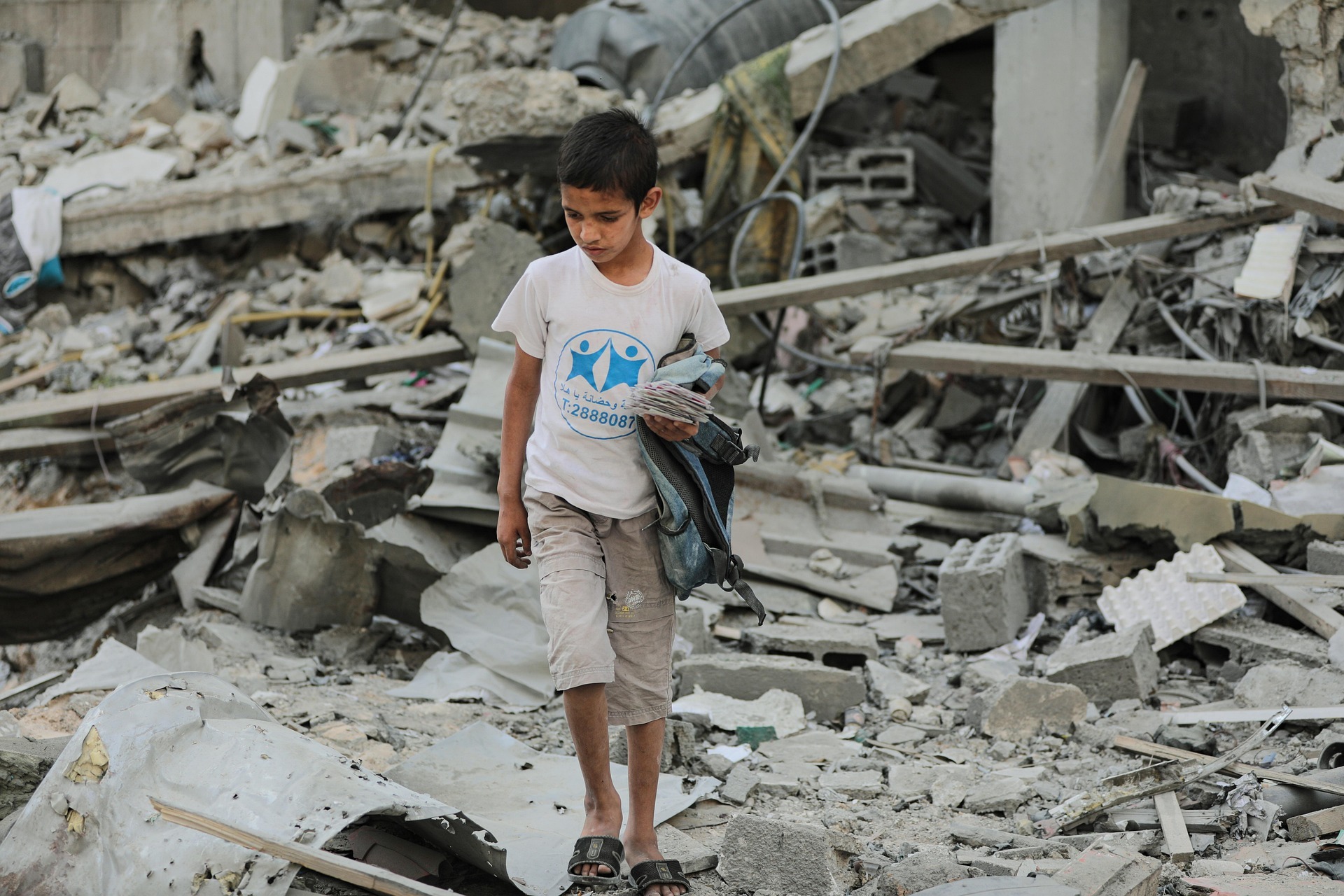
Since the beginning of the war in Gaza, I have started seeing children differently. They are no longer just small faces passing through the streets or names mentioned in the news. Every child has become, to me, a complete story of fear, pain and survival.
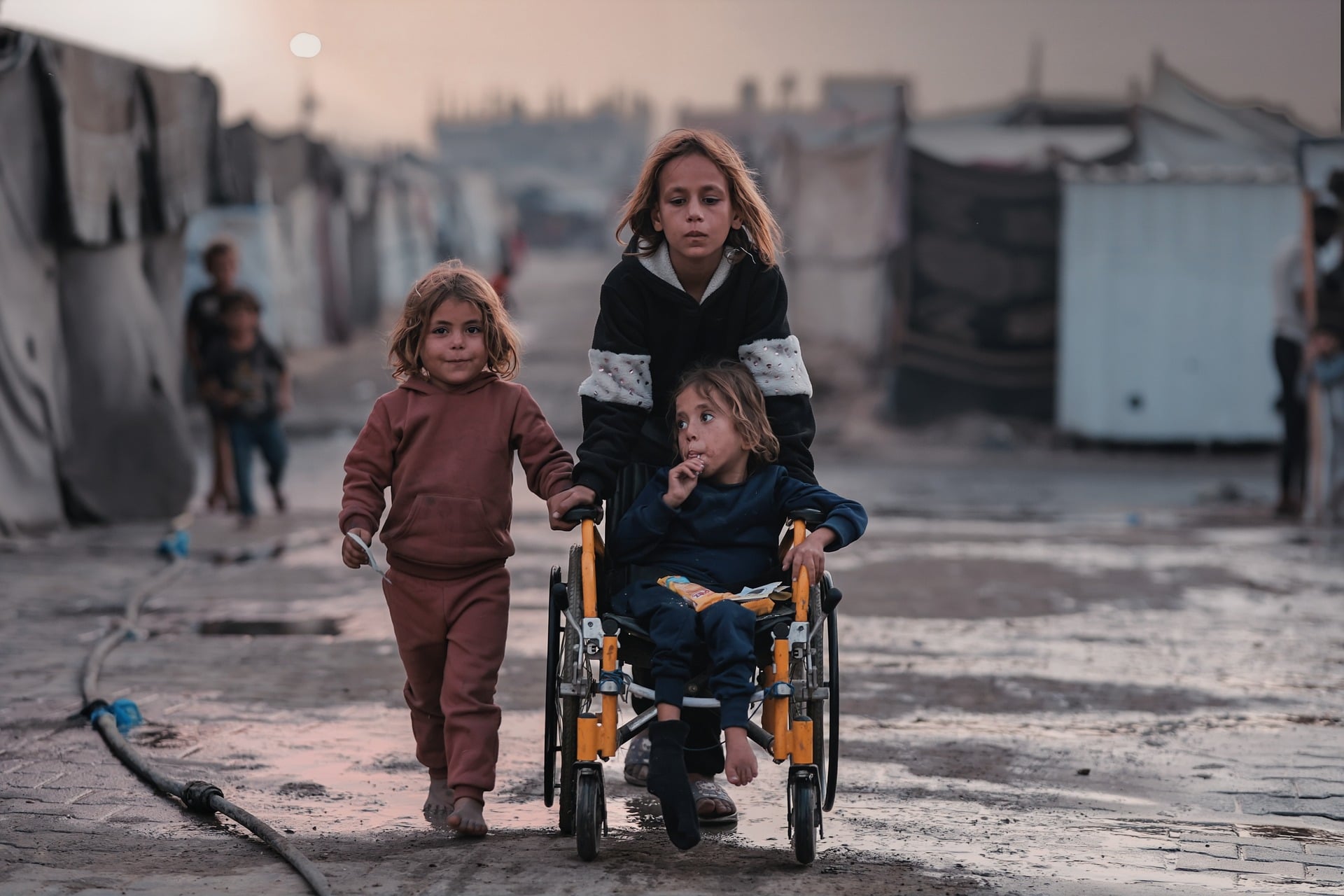
In Gaza, children are not living the childhood they deserve. There are no truly peaceful nights, no real sense of safety, and no certainty that tomorrow will come without tragedy. Even sleep has become a luxury, because at any moment, life can turn into another nightmare.
Every day, I watched children arrive at my hospital wounded, terrified, or separated from their families. Some cried from pain, while others were too shocked to speak at all. I saw children searching for their mothers among the injured, and others sitting silently, carrying expressions far older than their years. War in Gaza not only destroys buildings; it destroys something much deeper inside children themselves. It steals their sense of safety and transforms childhood into a long journey of fear and survival.
Many children here no longer know what a normal life feels like. Some have lost their homes, others have lost one or both parents, and many have suffered permanent injuries or disabilities. Even those who survive physically carry invisible psychological wounds. I have seen children wake up screaming from nightmares caused by airstrikes, and others trembling at the sound of any loud noise, as if the war has settled permanently inside their small bodies. In Gaza, children do not fear imaginary monsters like children elsewhere in the world. They fear warplanes, missiles, collapsing buildings, and the sudden sound of explosions.
Inside the hospitals, the tragedy was beyond what any healthcare system could endure. The shortage of medicine, electricity, fuel, and medical supplies turned every moment into a battle of its own. Sometimes we tried to save children with almost nothing in our hands while the number of casualties kept increasing endlessly. The feeling of helplessness followed us constantly, especially when we knew a child needed treatment we simply could not provide.
During my work in the hospital throughout the war, I witnessed countless stories that can never be forgotten. I saw children arriving between life and death, mothers screaming in fear for their sons and daughters, and fathers carrying their children in their arms without knowing whether they were still alive. Many of those scenes remain deeply engraved in my memory, but there is one story in particular that still haunts me to this day, perhaps because, in the middle of so much death, it reminded me that life was still fighting to survive.
One night, at around 2 a.m., a residential building was struck by an airstrike. Within minutes, the emergency department became overwhelmed with casualties. Ambulances arrived one after another, people were running in every direction, and the sounds of screams mixed with sirens and distant explosions. There was no time to think. The only thing that mattered was trying to save whoever still had a chance to live.
The intensive care room in the emergency department had become something closer to a morgue. Every time my eyes turned toward its doors, I saw bodies being carried out in white bags. The scene was horrifying beyond words. For a moment, it felt as if death had completely taken over the hospital, and we were merely trying to delay it for a few people. To this day, I still remember those white bags leaving the room one after another, as though the entire night had become a mass funeral.
In the middle of that chaos, a father suddenly rushed in carrying his little daughter in his arms. She could not have been more than one year old. He was screaming hysterically, “She’s dead… she’s dead.” The child was completely unconscious. Her eyes were closed, and her face had turned blue from suffocation. For a brief moment, it looked like just another tragedy among the countless tragedies of that night.
But something inside me pushed me to move. I still cannot explain why I felt I could save her despite her condition. I took her from her father and ran into the intensive care room, the same room that, only moments earlier, had been sending out bodies in white bags.
I quickly removed her clothes to examine her and noticed a small shrapnel wound in her back. It appeared that the shrapnel had caused a haemothorax, a buildup of blood inside her chest, which was preventing her from breathing. I immediately shouted for my colleague, emergency physician Dr Rushdi, and told him what I had found. He rushed over, confirmed the diagnosis, and together we immediately inserted a chest tube.
Within moments, blood began draining from her lung into the tube. I stood there watching her as though I was breathing with her myself. Slowly, signs of life began returning to her tiny body after she had been only minutes away from death. In that moment, I felt as though I had defeated the shadow of death once again, even if only temporarily.
But the painful truth is that this story is not unusual in Gaza. Here, children live constantly on the edge between life and death. A child may be sleeping peacefully in bed one moment and find themselves buried under rubble or fighting for life in a crowded emergency room the next. Children in Gaza are not growing up with ordinary childhoods; they are growing up inside an endless war that follows them into their homes, schools, and even their dreams.
What hurts me most is that the world often sees only numbers. It sees casualty statistics but not the stories behind them. It does not see the father screaming in terror believing his daughter had died. It does not see children forced to grow older before their time. It does not see the fear hidden inside their silent eyes.
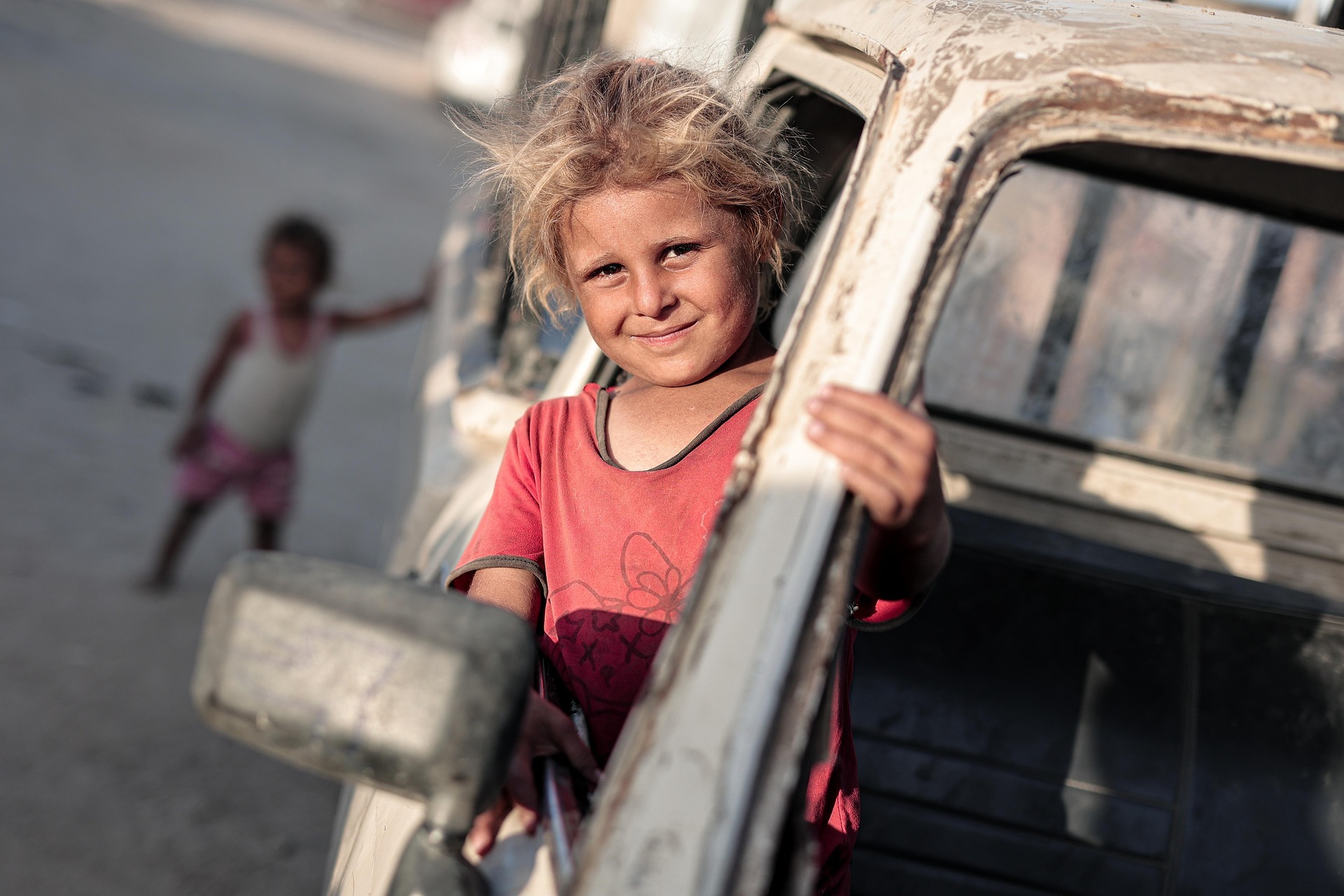
The children of Gaza are not numbers. Every child here carries a simple dream: to live safely, to go to school, to sleep without fear, and to grow up like any other child in the world. But war has stolen these simple rights from them and turned survival itself into a daily struggle.
And despite everything, I still believe that every child we save is a victory of life over death. That little girl who survived that night gave me back something I had almost lost in the middle of all the destruction: the belief that life is still resisting. Perhaps that is why we continue, because the children of Gaza deserve a chance to live, not a life shaped by war.
Faress Arafat trained in nursing at Al-Shifa Hospital in Gaza. He now has a scholarship to study for a Masters in Global Medicine at Trinity College Dublin. You can read more from him at https://nursefaressauthor.wordpress.com.

